Follow Me On Social Media!

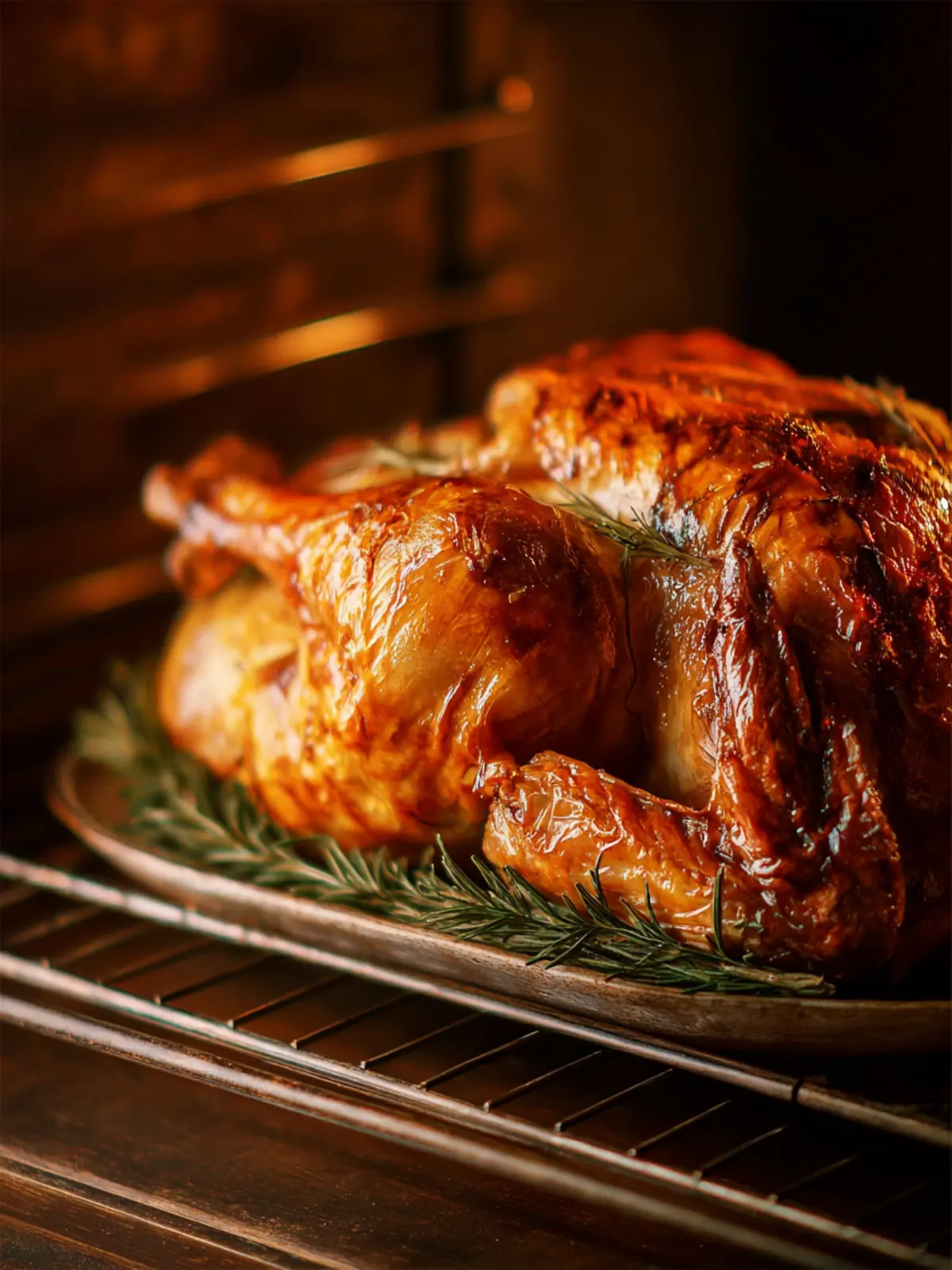
How to Roast a Turkey: Easy Convection Oven Secrets Revealed

Introduction to How to Roast a Turkey in a Convection Oven
Roasting a turkey in a convection oven offers a delightful culinary experience that is surprisingly friendly to the busy lifestyles of young professionals. Picture this: you’re hosting a gathering, and between meetings and social engagements, you need a dish that not only impresses but also saves you time. This is where learning how to roast a turkey comes into play—it’s not just about food; it’s about creating memorable moments.
The beauty of a convection oven lies in its ability to circulate hot air, which means your turkey cooks faster and more evenly than in a traditional oven. This culinary convenience allows you to serve juicy, golden-brown turkey without the stress of extended cooking times. As someone who has navigated countless holiday seasons while juggling work, I can attest that mastering this technique transforms not just your cooking skills but also enhances your kitchen confidence.
Why Roasting a Turkey is a Game Changer for Young Professionals
For young professionals, time is often a precious commodity. Enter the convection oven, your new best friend in the kitchen. By embracing the art of how to roast a turkey, you unlock a range of possibilities, from festive gatherings to casual dinners with friends. It’s a skill that provides considerable satisfaction and looks impressive—all while allowing you to enjoy the moment.
-
Quick and Efficient: With a convection oven, you can bring home a larger turkey without the fear of it consuming your entire Sunday. Most turkeys can roast in significantly less time—meaning more time spent with your loved ones and less time anxiously checking the oven.
-
Consistent Results: Cooking can often feel like a guessing game. With a convection oven’s superior heat distribution, you’ll serve perfectly cooked turkey, even if this is your first attempt. Imagine the compliments you’ll receive!
-
Room for Creativity: A well-roasted turkey can be the centerpiece of various meals. The leftover turkey can be used in salads, sandwiches, and soups, adding versatility to your weeknight dinners.
Embracing the method of how to roast a turkey in a convection oven not only enhances your culinary repertoire but also enriches your social life, turning simple gatherings into memorable feasts worth celebrating. So let’s dive into the ingredients and steps to elevate your roasting game!
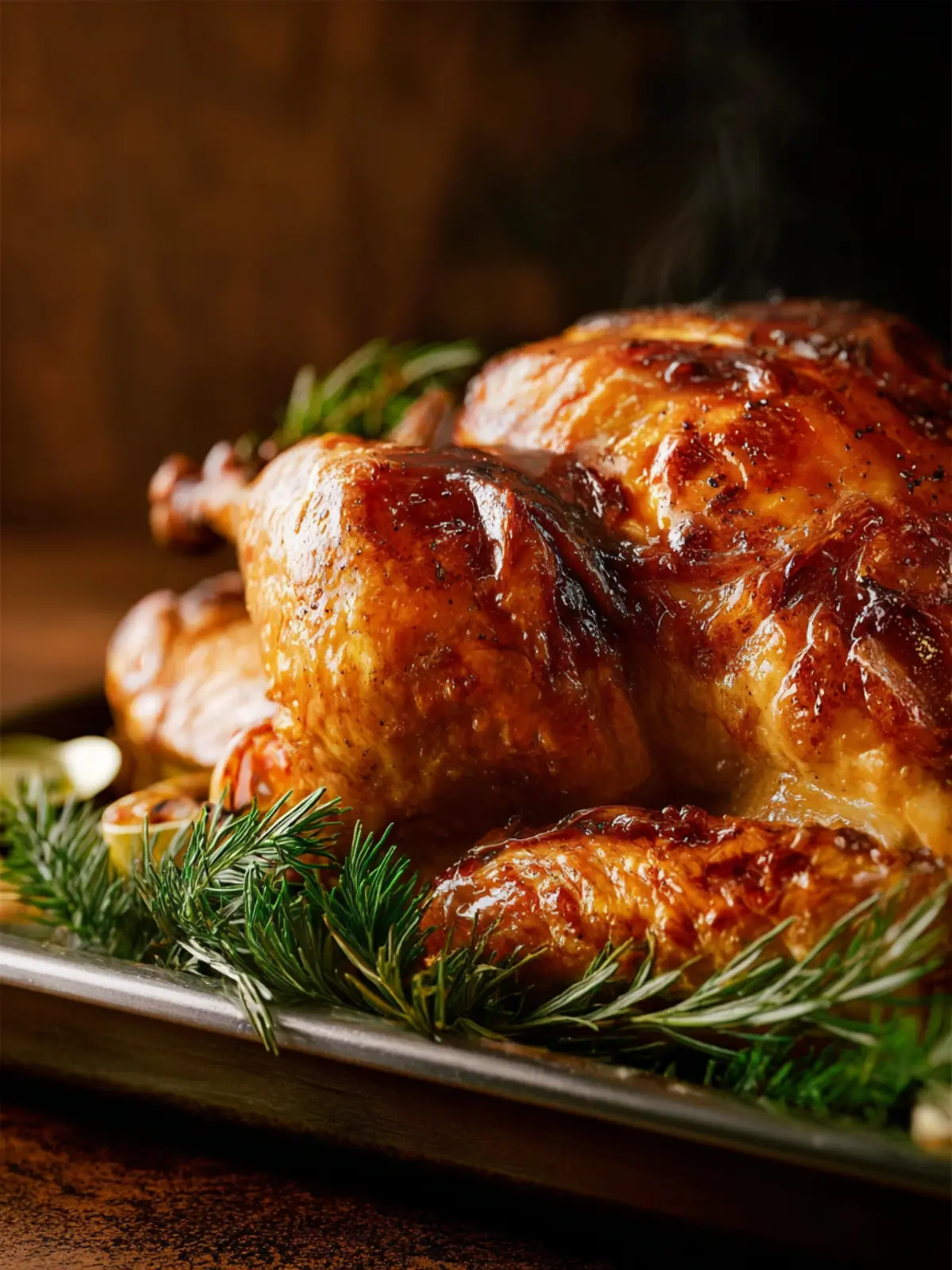
Key Ingredients for How to Roast a Turkey in a Convection Oven
Roasting a turkey in a convection oven elevates the traditional Thanksgiving feast into something extraordinary. The secret lies in the ingredients you choose, which significantly impact flavor and texture.
-
Turkey: Select a fresh or thawed turkey of 12-15 pounds for optimal results. A well-farmed bird is key; look for a turkey raised with care for the best flavor.
-
Butter: I love to use unsalted butter, generously slathered underneath the skin. This not only infuses rich flavor but also ensures a beautifully browned and crispy skin.
-
Herbs: Fresh herbs like rosemary, thyme, and sage are essential. They add an aromatic depth that complements the turkey perfectly. Don’t hesitate to mingle them with the butter!
-
Garlic and Onion: Chopped garlic and onion bring out a savory richness. Stuffing the turkey cavity with these adds flavor from the inside out as it roasts.
-
Stock: For extra moisture, using turkey or chicken stock in the roasting pan helps create a flavorful base for gravy.
With these key ingredients, you’re well on your way to mastering how to roast a turkey that will have your guests raving!
Why You’ll Love This Recipe
Roasting a turkey in a convection oven is a game-changer for any holiday feast, and this recipe perfectly combines tradition with modern efficiency. Picture this: the tantalizing aroma of a perfectly roasted turkey wafts through your home, enticing friends and family to gather around the table in eager anticipation. Isn’t that what the holidays are all about?
Here’s why this approach stands out:
-
Juiciness and Flavor: Using a convection oven circulates hot air around the turkey, allowing for even cooking and enhanced moisture retention. You’ll end up with tender meat that bursts with flavor.
-
Crispy Skin: If you’ve ever dreamed of that golden, crispy skin, this recipe helps you achieve that effortlessly. The convection feature ensures that every inch of skin gets beautifully crisp without overcooking the meat beneath.
-
Time-Saving: Convection ovens can speed up cooking times by up to 25% compared to traditional ovens. Imagine finishing dinner earlier, allowing more time for laughter and connection with loved ones.
-
Versatile Ingredients: This recipe allows for a variety of seasoning and stuffing options, catering to diverse palates and preferences.
Once you try this method, you’ll be excited to share your deliciously roasted turkey with friends and family, creating memorable meals that bring everyone together.
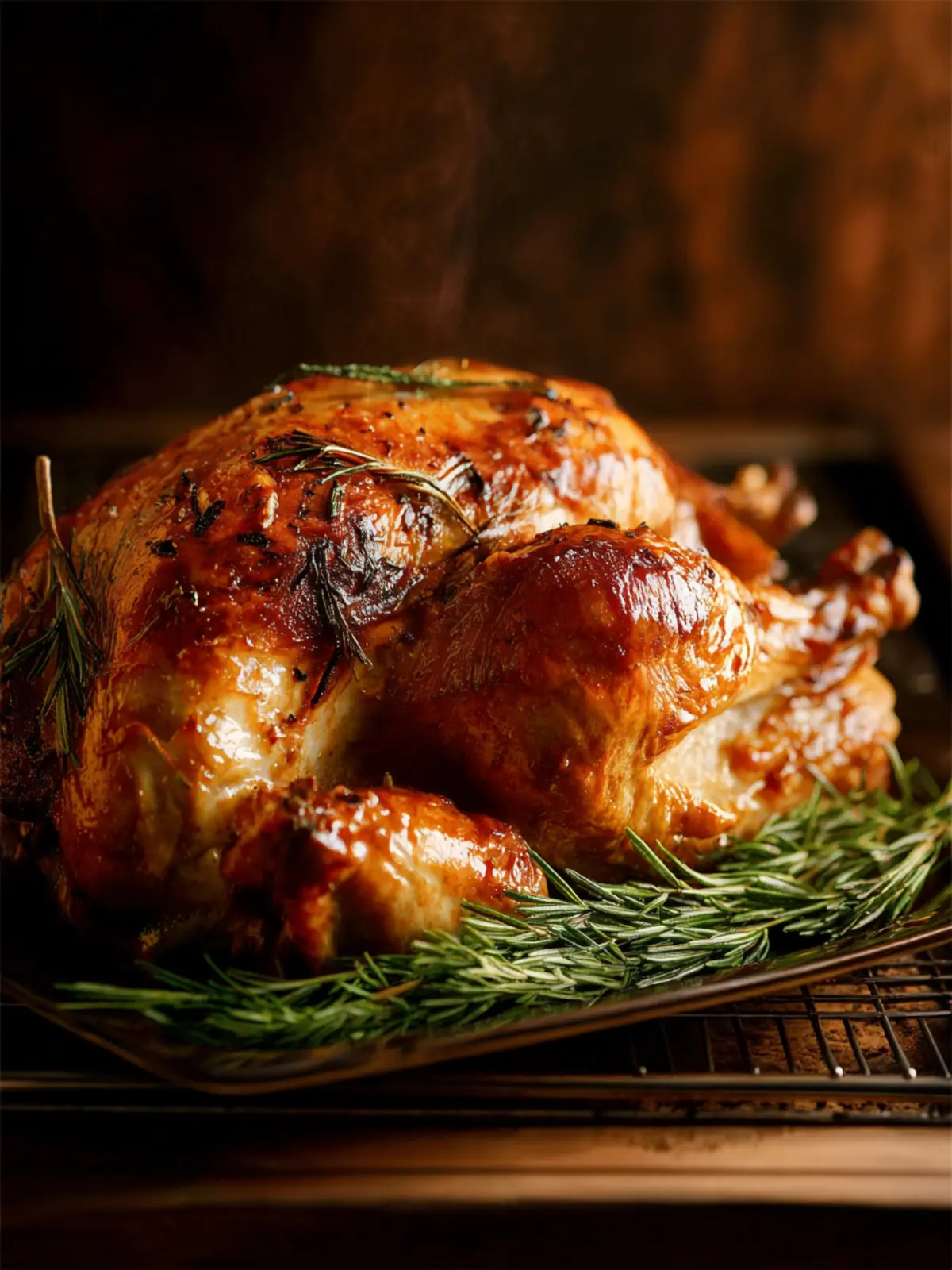
Variations of Roasted Turkey
Roasting a turkey is an art that allows for creativity and flavor exploration. Soups, salads, sandwiches—they all start with that beautifully roasted bird. But why stick to the traditional when you can enhance your feast with exciting variations? Here are three delightful options to elevate your turkey game and impress your guests.
Citrus Roasted Turkey
Transform your turkey into a zesty delight with a citrus roasted turkey recipe. The key here is the combination of orange and lemon. Not only do they brighten the flavor, but they also keep the meat succulent. Simply stuff the cavity with a few fresh citrus halves and add herbs like thyme or rosemary. The fragrant steam from the citrus infuses the meat, creating a refreshing and unique experience with every bite. Consider adding a citrus glaze during the last 30 minutes of roasting for that extra pop!
Herb Butter Turkey
An herb butter turkey is a classic that never goes out of style. Mixing softened butter with fresh herbs—like sage, thyme, and parsley—creates a rich compound butter. Massage it under the skin of your turkey for maximum flavor infusion. This method not only enhances moisture but also creates a golden-brown skin that’s irresistible. It’s an ideal pairing with traditional sides, making it a favorite on any table.
Spicy Glazed Turkey
If you crave a little kick, try a spicy glazed turkey. A marinade made from a blend of hot sauce, honey, and garlic will add a delicious heat that balances beautifully with the savory meat. Brush the glaze on during the last stages of roasting, allowing it to caramelize and form a sticky, tantalizing crust. This variation is perfect for those who love a dash of adventure on their dinner plates.
These variations not only teach us how to roast a turkey but also remind us that there are many ways to celebrate the occasion. Experiment with these ideas, and don’t hesitate to mix in your personal favorites!
Cooking Tips and Notes
Roasting a turkey in a convection oven can be a game-changer for your holiday gatherings. Imagine crisp skin that practically glistens and meat so juicy it makes your mouth water. With a few tried-and-true tips, we can make sure your turkey steals the show this season.
Achieving the Perfect Crispy Skin
To truly elevate your turkey experience, start by ensuring your turkey is thoroughly dried before seasoning. Pat it down with paper towels to absorb moisture, as water can prevent that crispy texture we all crave. Another trick? Rub the skin with olive oil or melted butter and sprinkle salt liberally. This not only enhances flavor but promotes browning—it’s your secret weapon for achieving that golden, crispy skin.
Ensuring Juicy Meat
There’s nothing worse than a turkey that’s dry. To ensure juicy meat, consider brining your turkey in a mixture of water, salt, and herbs for a few hours before roasting. If you’re short on time, even a simple dry rub of salt and herbs can help retain moisture during cooking. Resting your turkey for at least 20 to 30 minutes after it’s out of the oven is crucial as well; this allows juices to redistribute throughout the meat.
Using a Meat Thermometer
When it comes to how to roast a turkey without any guesswork, a meat thermometer is your best friend. Ensure you check the thickest part of the thigh and breast, aiming for an internal temperature of 165°F. This not only guarantees safety but also ensures a perfectly cooked bird every time. Using a thermometer is a game-changer—you can say goodbye to the fear of undercooked or overcooked turkey.
With these tips, you’re well on your way to mastering the art of roasting turkey in a convection oven. Happy cooking!
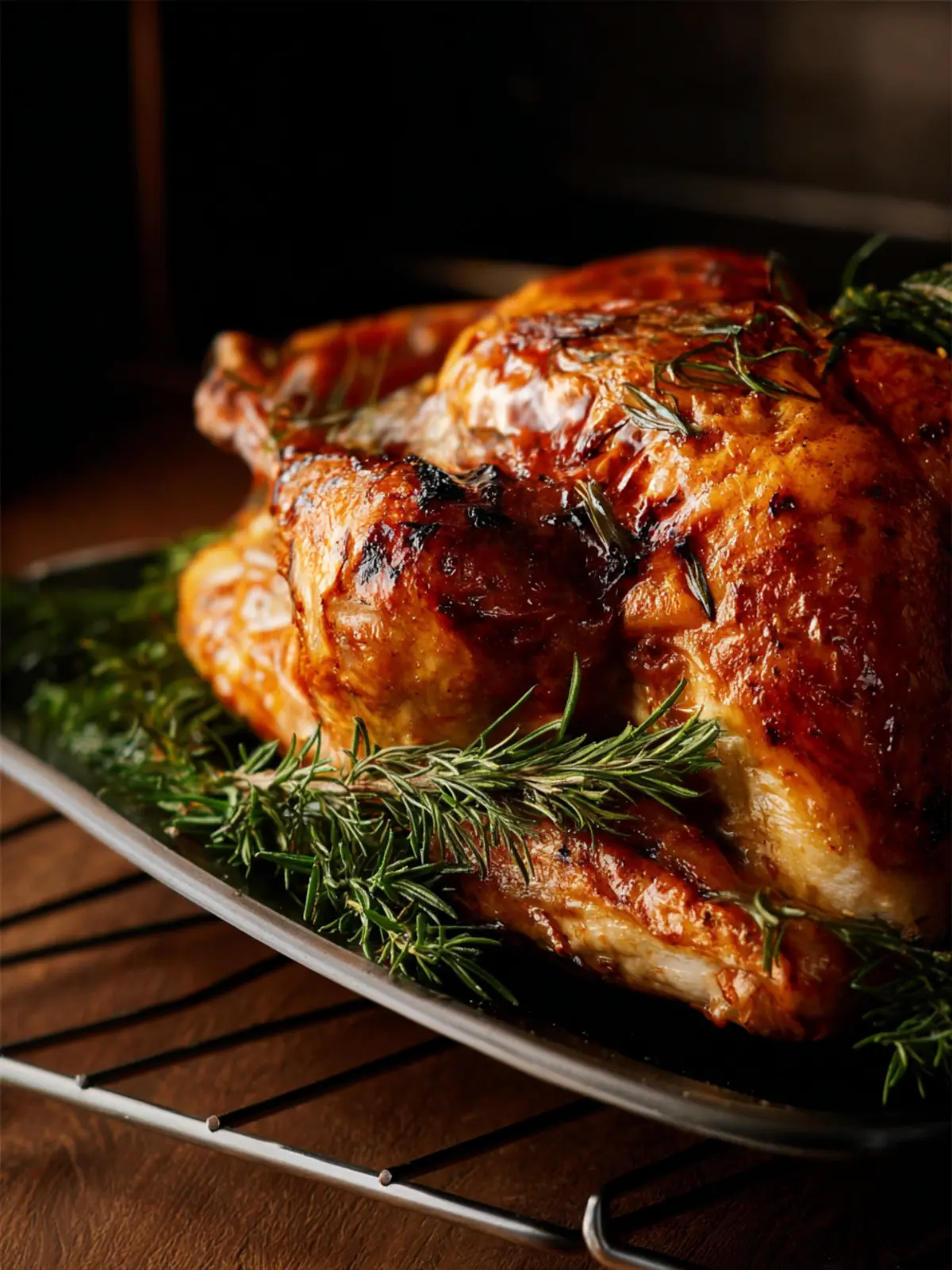
Serving Suggestions for Roasted Turkey
Roasting a turkey is not just a recipe; it’s an experience that brings together family and friends around the table. Once you’ve mastered how to roast a turkey in a convection oven, it’s time to think about what delightful dishes will complement your succulent centerpiece.
Classic Sides to Pair with Turkey
The right side dishes can elevate your turkey feast to new heights. Consider these classic options:
- Mashed Potatoes: Creamy, buttery mashed potatoes are a timeless staple. Add garlic or herbs for an extra touch.
- Stuffing: Whether you lean towards a savory bread stuffing or a cornbread mix, this dish is a must-have. It soaks up all those delicious drippings!
- Green Bean Casserole: The crunchy topping contrasts beautifully with the tender beans, making it a popular choice at any gathering.
- Cranberry Sauce: A sweet and tart cranberry sauce is a great balance to the savory turkey flavor. Making it fresh adds a vibrant touch.
Creative Leftover Ideas
After the big feast, don’t let those turkey leftovers go to waste! Here are some delicious ways to use them:
- Turkey Sandwiches: Layer slices of turkey with your favorite condiments on crusty bread or a roll for an effortless lunch.
- Turkey Soup: Simmer the carcass with veggies and broth for a comforting soup that warms the soul.
- Turkey Enchiladas: Use shredded turkey with cheese and salsa wrapped in tortillas for a fun twist on dinner.
These ideas help ensure that your roasted turkey is enjoyed long after the last bite!
Time Breakdown for Roasting Turkey
Roasting a turkey can be one of the highlights of your culinary year, especially when you master how to roast a turkey to perfection. Understanding the timing is crucial, so let’s break down the essential components.
Preparation Time
Before diving into roasting, you’ll want to allocate about 30 minutes for preparation. This includes cleaning the turkey, seasoning it, and allowing it to come to room temperature. Giving the turkey that little boost makes all the difference in achieving juicy, flavorful meat.
Roast Time
The roast time in a convection oven typically ranges from 2 to 3 hours, depending on the size of your turkey. A good rule of thumb is about 13-15 minutes of cooking time per pound. To ensure even cooking, remember to baste the turkey every 30 minutes.
Total Cooking Time
In total, you should plan for approximately 3 to 4 hours for the entire process. This includes both preparation and roasting times. By managing your time effectively, you’ll ensure a stress-free experience and impress your guests with a beautifully roasted turkey.
Nutritional Facts for Roasted Turkey
Roasted turkey is a beloved centerpiece for many gatherings, embodying warmth and comfort. Understanding its nutritional profile can help you enjoy this dish more mindfully, especially when considering how to roast a turkey that everyone will love.
Calories
A typical serving of roasted turkey (about 3 ounces) contains approximately 135 calories. This makes it a relatively low-calorie protein option, especially when compared to heavier meats.
Protein
Turkey is a powerhouse of protein, delivering around 25 grams per serving. This macro-nutrient is essential for muscle repair and overall health, making roasted turkey a fantastic addition to your meals, particularly if you’re active.
Fat
With about 3 grams of fat per serving, the fat content in roasted turkey can be minimal, especially when skin is removed. Opting for skinless turkey can lower the fat content further, aligning with various dietary preferences without compromising flavor.
Enjoy your perfectly roasted turkey, knowing you’re savoring a dish that not only tastes great but also offers impressive nutritional benefits!
FAQs about Roasting a Turkey in a Convection Oven
Roasting a turkey in a convection oven offers a fantastic way to achieve a juicy, golden-brown centerpiece for your holiday gathering. But with great culinary adventure often come questions! Here, we’ll demystify some common concerns about how to roast a turkey perfectly using a convection oven.
How does cooking time differ in a convection oven?
Using a convection oven can actually reduce your cooking time by about 25%. The circulating hot air cooks your turkey evenly and efficiently, which is a game-changer during busy holidays. For instance, if a traditional oven recipe calls for 4 hours at 325°F, check your convection turkey at the 3-hour mark. Always use a meat thermometer to ensure it reaches an internal temperature of 165°F for safe consumption.
Can I roast a frozen turkey in a convection oven?
While it’s recommended to thaw your turkey first, you can roast a frozen turkey in a convection oven—just be prepared for it to take longer! Experts suggest adding an additional hour or two to your cooking time. Don’t forget to monitor the temperature, as the initial cooking phase won’t allow you to achieve crispy skin.
What should I do if my turkey is browning too quickly?
Should you notice that your turkey is browning too fast in your convection oven, don’t panic! Simply tent the turkey with aluminum foil. This will protect the skin from further browning while the inside continues to cook. Just be sure to remove the foil during the last 30 minutes to allow for that beautiful crispy finish.
With these tips, you’re well on your way to mastering how to roast a turkey in a convection oven!
Conclusion on Roasting a Turkey in a Convection Oven
Mastering how to roast a turkey in a convection oven is a culinary adventure that can delight your family and friends. The even cooking and faster roasting times allow for a succulent turkey with crispy skin. Imagine presenting a beautifully golden bird, skillfully cooked to juicy perfection, at your next gathering.
With just the right technique and a touch of patience, you’ve unlocked a recipe sure to impress. Remember to let your turkey rest before carving for the best flavor and texture. Enjoy the compliments, and happy roasting!
Print
Roasted Turkey
- Total Time: 3 hours
- Yield: 8-10 servings 1x
- Diet: Traditional
Description
Juicy and flavorful roasted turkey perfect for any occasion.
Ingredients
Scale
- 10 pound turkey
- ½ cup vegetable oil
- fresh rosemary (to taste)
- fresh thyme (to taste)
- salt and pepper (to taste)
Instructions
- Preheat oven to 350℉ on the convection setting.
- Wash the turkey inside and out and pat dry with paper towels.
- Place turkey on roasting pan and brush with olive oil.
- Cut and loosen the skin from the turkey breast and rub rosemary and thyme onto the turkey.
- Place the turkey in the lowest rack of the oven and cook for 2-2 ½ hours, or until the internal temperature of the turkey thigh reaches 180℉.
Notes
- For best results, let the turkey rest for 30 minutes before carving.
- Prep Time: 30 minutes
- Cook Time: 2 hours 30 minutes
- Category: Main Dish
- Method: Roasting
- Cuisine: American
Nutrition
- Serving Size: 1 slice
- Calories: 350
- Sugar: 0g
- Sodium: 200mg
- Fat: 20g
- Saturated Fat: 5g
- Unsaturated Fat: 15g
- Trans Fat: 0g
- Carbohydrates: 0g
- Fiber: 0g
- Protein: 30g
- Cholesterol: 120mg