Follow Me On Social Media!

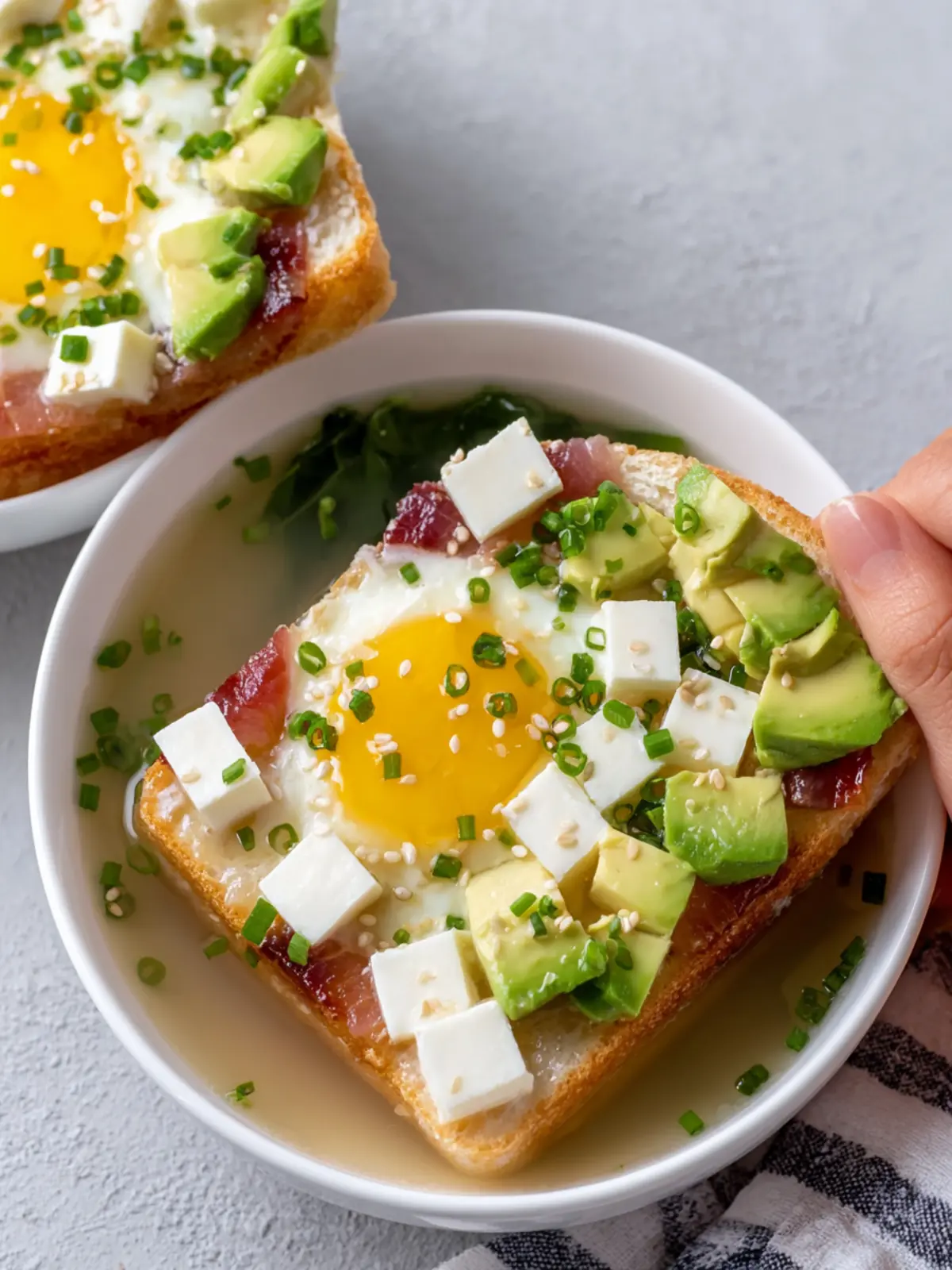
Takes Two Eggs: The Best Comfort Food You Can Whip Up!

Introduction to Takes Two Eggs
The title “Takes Two Eggs” might conjure up visions of simple breakfasts or classic dishes, but the truth is, these two humble ingredients are the backbone of countless culinary creations. Whether you’re a seasoned chef or a weekend cook, the versatility of eggs can transform your cooking style and recipes. Imagine whipping up fluffy omelets, decadent cake batters, or even rich sauces—all from just two eggs!
Eggs have an extraordinary ability to bring cohesion and richness to a dish and are surprisingly straightforward to work with. If you’ve ever cracked open an egg, you’ve likely experienced the joy that comes from seeing your breakfast come together in mere moments. This incredible ingredient nurtures nutrition and convenience, allowing you to create a quick meal or an elegant dish with ease.
What makes eggs so versatile in cooking?
When talking about versatility, it’s essential to recognize the unique properties of eggs—they’re not just a breakfast staple but a powerful ingredient in various cuisines.
- Binding agent: Eggs hold ingredients together, which is crucial in recipes like meatballs or pastries.
- Emulsification: In sauces such as mayonnaise or hollandaise, eggs help blend fats and liquids, creating a creamy texture.
- Leavening agent: Their ability to trap air and expand when cooked makes eggs invaluable for fluffy soufflés and cakes.
- Nutritional powerhouse: Packed with protein, vitamins, and healthy fats, they deliver essential nutrients in a small package.
Picture whipping up a light and airy chiffon cake, where two eggs and some basic pantry staples are all you need to create a show-stopping dessert. The emotional connection we often have to egg-based meals—whether it be memories of Sunday brunch or quick weeknight dinners—illustrates their role in our daily lives.
So, join me on this exploration of takes two eggs and discover how these simple ingredients can elevate your cooking game, one recipe at a time. Let’s break down some tasty ways to incorporate this kitchen essential into your meals!
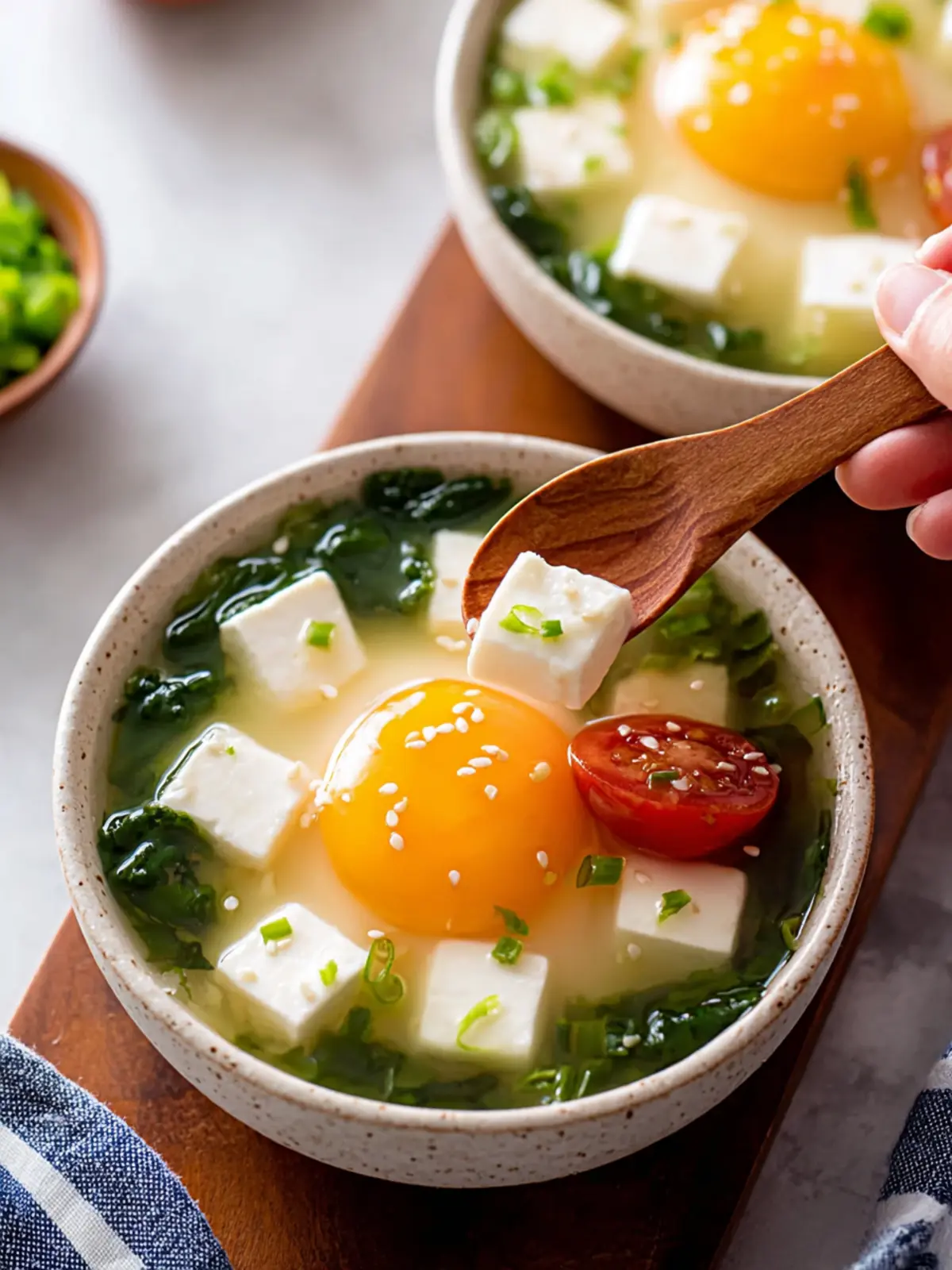
Key Ingredients for Takes Two Eggs
Eggs: As the star of the show, the two eggs in this recipe are essential for binding the ingredients and giving your dish a rich texture. I prefer using large eggs for consistency, as they provide just the right amount of moisture.
Flour: For this recipe, I use all-purpose flour. It creates a balanced structure, allowing your dish to rise perfectly. If you’re gluten-sensitive, don’t hesitate to swap it out for a 1:1 gluten-free blend that works wonders.
Butter: A must-have in any delightful recipe, butter brings a luxurious creaminess and flavor. I usually melt it for the batter, which helps amalgamate the ingredients smoothly and contributes to that irresistible golden finish.
Sugar: I opt for granulated sugar because it lends the right sweetness while caramelizing beautifully during cooking. If you’re feeling adventurous, consider brown sugar for a deeper, molasses-like flavor.
Salt: A pinch of salt enhances all the flavors. It’s a small ingredient, but it makes a world of difference in balancing the sweetness and elevating the overall taste.
Why You’ll Love This Takes Two Eggs Recipe
When it comes to whipping up a delightful meal, the phrase takes two eggs perfectly encapsulates the simplicity and charm of this recipe. Picture this: you come home after a long day, and the idea of cooking feels overwhelming. But with just a couple of eggs, you can create something that’s not only easy but also incredibly satisfying.
This recipe is a go-to for busy professionals, and here’s why:
-
Quick Preparation: With minimal ingredients and simple steps, you can whip this dish up in no time. Perfect for those evenings when you want to enjoy a homemade meal without spending hours in the kitchen.
-
Versatile Ingredients: The beauty of this dish is in its adaptability. You can customize it to suit your taste—add vegetables, cheese, or spices you love. The base remains the same, while your creativity can shine through.
-
Nutritious and Filling: Eggs are packed with protein and essential nutrients, making this recipe not only delicious but also a healthy choice. Who doesn’t love a meal that’s good for you?
The takes two eggs recipe is your ticket to a delightful dinner that checks all the boxes. Enjoy it alone or share it with friends; it’s bound to impress!
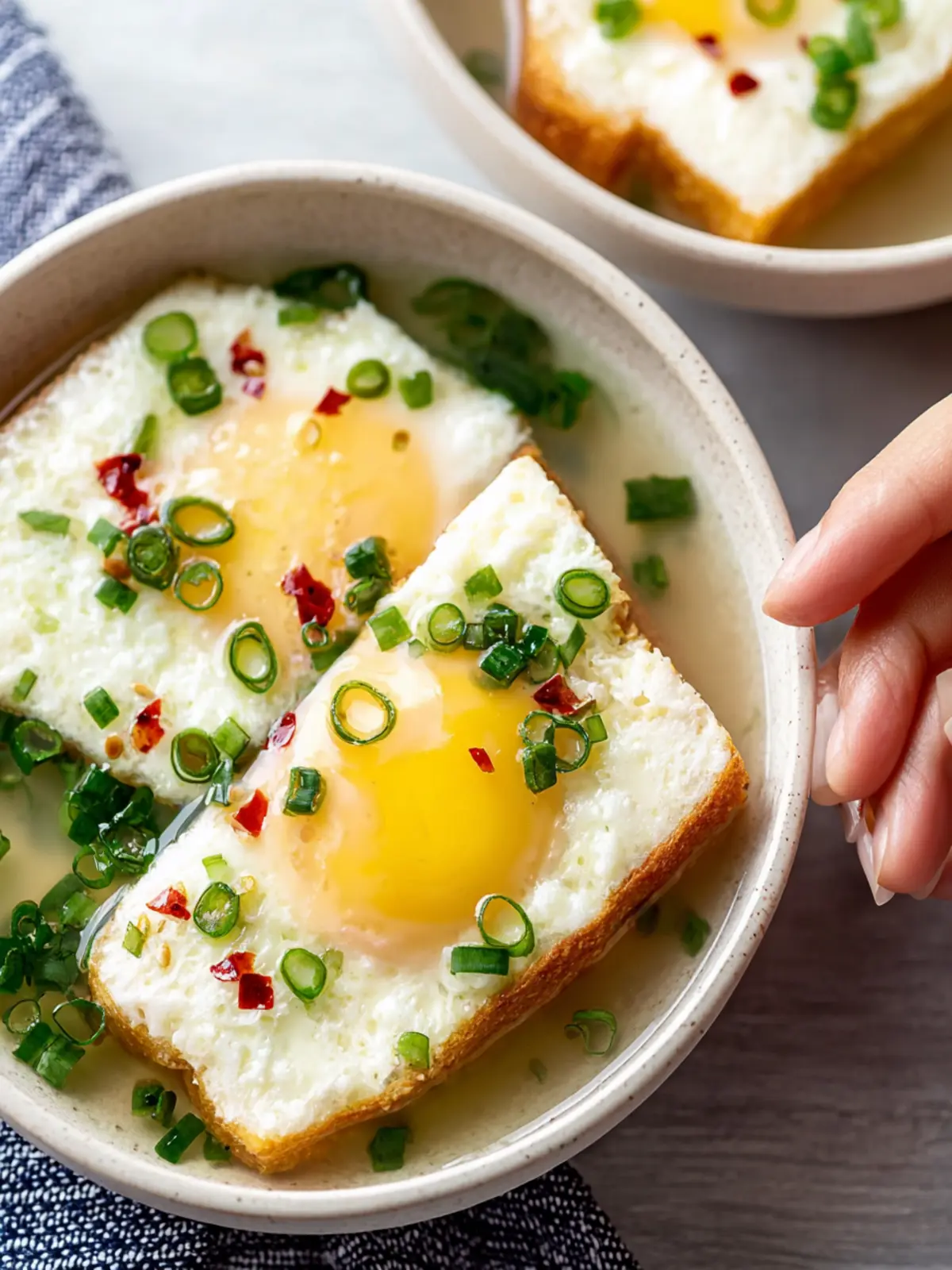
Variations for Takes Two Eggs
The recipe Takes Two Eggs is fantastically versatile, allowing you to customize it to suit your taste or dietary preferences. Think of it as your canvas, ready for creativity and experimentation.
Delight in Different Flavors
-
Herbs and Spices: Add a twist by incorporating fresh herbs like basil or dill, or spices such as paprika or cumin. It can totally transform your dish from simple to gourmet.
-
Cheese Variations: Swap out standard cheese for a sharp cheddar, creamy goat cheese, or even vegan cheese alternatives. Each option brings a unique depth of flavor.
Breakfast Boosters
-
Veggie Pack: Sauté some spinach, bell peppers, or mushrooms for an extra dose of nutrition and flavor. Not only do they add color, but they also elevate the overall dish.
-
Meaty Goodness: If you’re a meat lover, crispy bacon, smoked salmon, or spicy sausage can add a satisfying crunch and enhance the umami profile.
Sweeten the Deal
- Fruity Add-ins: For a sweet breakfast option, consider adding diced apples or berries, turning your dish into a sweet sensation. Mix in cinnamon for an easy dessert flair.
No matter how you decide to customize your Takes Two Eggs, enjoy the process of creating something uniquely yours!
Cooking Tips and Notes for Takes Two Eggs
When considering a recipe that takes two eggs, it’s fascinating how these humble ingredients can transform a dish into something special. Whether you’re whipping up a classic scramble or a mouthwatering omelet, there are a few tips to ensure your egg dishes are top-notch every time.
Choosing the Right Eggs
Always go for the freshest eggs possible. Free-range or organic eggs tend to have richer flavors and deeper yolks. If you can, shop local—you might be surprised at the difference it makes. No wonder the phrase “the fresher, the better” holds true here!
Preparing Your Eggs
For the best texture, crack your eggs into a separate bowl before adding them to the pan. This allows you to check for shell fragments and ensures your eggs are fresh. Beating the eggs until they’re just combined helps maintain a light, fluffy result.
Cooking Techniques
- Low and Slow: Cooking your eggs on low heat allows for even cooking and prevents them from becoming rubbery. Patience pays off here!
- Non-stick Pan: A good-quality non-stick skillet reduces the need for excessive oil and makes flipping or folding a breeze.
- Seasoning: Add a pinch of salt while cooking to enhance the flavor and help water release during the cooking process, making your eggs even fluffier.
Embrace these tips, and you’ll find that your dishes that take two eggs become favorites in your kitchen repertoire. Happy cooking!
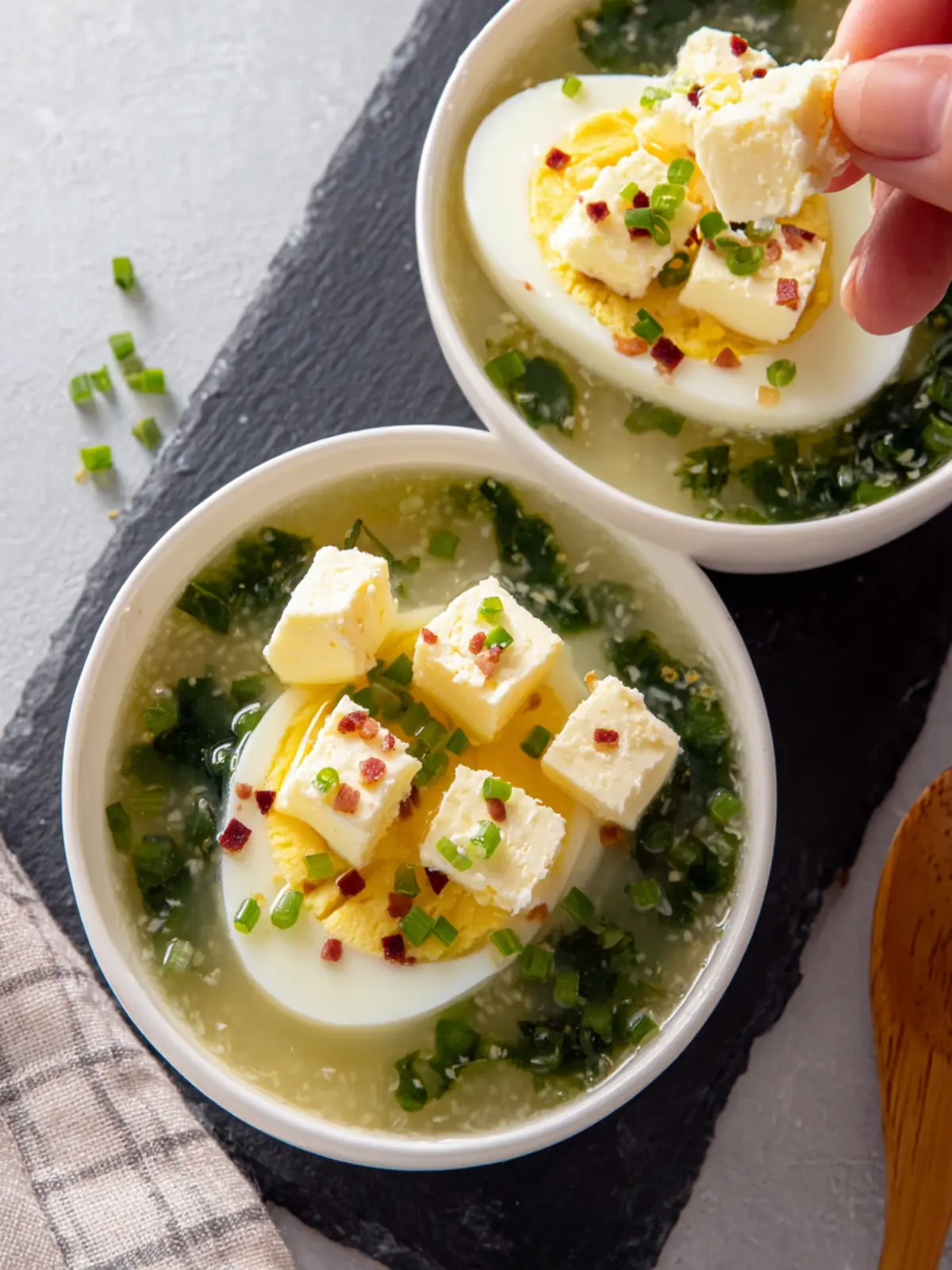
Serving Suggestions for Takes Two Eggs
Bringing the delightful charm of Takes Two Eggs to your table opens up a myriad of serving possibilities. Imagine a cozy Sunday brunch where your dish becomes a crowd-pleaser.
Pair with Fresh Sides
Consider complementing Takes Two Eggs with a salad of mixed greens dressed in a light vinaigrette. This adds a refreshing contrast that cuts through the richness of the dish.
- Tomato and Avocado Salad: The creaminess of avocado with juicy tomatoes creates a balance that enhances the egg’s flavors.
Elevate the Experience
Serving it with artisanal toast or a side of sautéed greens can elevate the meal. Think about using whole grain or rye bread for a nutty flavor that pairs wonderfully with the eggs.
- Herbed Toast: A sprinkle of fresh herbs like chives or parsley on your toast can add a gourmet touch.
Perfect for Any Occasion
Whether it’s brunch with friends or a quick weekday breakfast, Takes Two Eggs can easily be dressed up or down. Add a sprinkle of cheese or a dollop of salsa to make it your own, and don’t shy away from crafting a signature touch!
Time Breakdown for Takes Two Eggs
It’s amazing how much transformation can happen in your kitchen with a simple dish that takes two eggs. From the moment you gather your ingredients to the satisfying first bite, tracking your time can enhance the whole experience. Let’s break it down.
Preparation time
- About 10 minutes is all you need to whisk those eggs, chop your favorite veggies, and gather any essentials like spices and oil.
Cooking time
- Once you’re prepped, expect around 15-20 minutes of cooking time. This is when the magic really happens as those two eggs come together with delightful ingredients.
Total time
- In just 25-30 minutes, you’ll have a dish bursting with flavor, perfect for any meal of the day. So why wait? Dive into this quick and delicious Takes Two Eggs recipe!
Nutritional Facts for Takes Two Eggs
When it comes to the magic of cooking, few ingredients evoke warmth and familiarity like the versatile egg. This humble protein powerhouse is not only affordable but also easy to work with in various dishes. Let’s dive into the nutritional facts for takes two eggs to see just why they’re a staple for many young professionals balancing busy lives.
Calories
Two large eggs pack a satisfying 140 calories, making them an excellent choice for breakfast or a quick snack. This modest calorie count allows you to incorporate them into a balanced diet without feeling guilty.
Protein
One of the best aspects of incorporating eggs into your meals is their protein content. With about 12 grams of high-quality protein from two eggs, they offer a great way to keep you feeling full and energized throughout your day.
Sodium
Keeping an eye on sodium is essential, especially for those of us watching our salt intake. At just around 140 milligrams in two eggs, they are a low-sodium option that can fit seamlessly into your healthy eating plan.
Whether you’re making a simple scramble or adding them to a more complex creation, knowing these nutritional facts for takes two eggs can help you make informed choices for your diet!
FAQs about Takes Two Eggs
The recipe “Takes Two Eggs” is an experience, a tasty adventure that comes with a few questions. Diving into this delightful dish can spark curiosity, especially when you want to tailor it to your kitchen or pantry needs.
Can I substitute fish stock for dashi?
Yes, you can substitute fish stock for dashi in your Takes Two Eggs recipe! While dashi has a unique umami flavor derived from ingredients like kombu and bonito flakes, a good fish stock brings its own depth to the dish. Just make sure to taste as you go; fish stocks often have a stronger flavor, so you might want to adjust the quantity accordingly to suit your palate.
What can I use if I don’t have miso paste?
No miso paste? No problem! You can create a quick substitute by blending tahini with a little soy sauce and optional vinegar for tang. The creamy texture of tahini adds richness similar to miso. Other alternatives include a simple mix of soybean flour or even a pinch of salt for seasoning your dish. While it may not replicate the exact taste of miso, it can still add a savory depth.
How can I store leftover soup?
Storing leftovers from your Takes Two Eggs is a breeze! Transfer any uneaten soup to an airtight container and let it cool down before sealing. Keep it in the fridge for up to three days. If you’ve made a larger batch and want to enjoy it later, consider freezing it. Just ensure to leave some space in the container for expansion, and it can last up to three months in the freezer! When you’re ready to enjoy it again, gently reheat on the stove, stirring occasionally for an even temperature.
Conclusion on Takes Two Eggs
In wrapping up our exploration of takes two eggs, it’s evident that this simple yet versatile ingredient can elevate your culinary creations. Whether you’re whipping up a classic omelette or embarking on baking adventures, the combination of eggs allows for endless possibilities. Remember, the secret lies not just in choosing fresh, high-quality eggs but also in understanding how to incorporate them into your recipes effectively. As you experiment, consider making notes of your adjustments and experiences. Each attempt brings you closer to perfecting your technique. Happy cooking, and may your kitchen continue to be a place of joy and discovery!
Print
Miso Soup
- Total Time: 15 minutes
- Yield: 4 servings 1x
- Diet: Vegetarian
Description
A warm and comforting miso soup with silken tofu and wakame seaweed.
Ingredients
Scale
- 4 cups water
- 1 tablespoon dashi powder
- 4 tablespoons white miso paste
- 7 oz silken tofu (drained and cubed)
- 1 tablespoon dried wakame seaweed
- 1 green onion (chopped)
Instructions
- Make the dashi broth. In a small pot over medium heat, bring the water to a boil. Then add the dashi powder and stir until dissolved, about 2 minutes.
- Add the miso paste. Lower the heat to medium-low. Using a small, fine-mesh sieve, gently add the miso paste into the broth and, with a spoon, dissolve it through the strainer for about 2 minutes.
- Add the tofu, wakame, and green onion. Stir in the diced tofu, wakame, and green onion, and warm for about 3 minutes.
- Serve. Ladle the soup into individual bowls and enjoy!
Notes
- This soup can be easily customized with additional vegetables or proteins.
- For a vegan version, ensure the dashi powder is plant-based.
- Prep Time: 10 minutes
- Cook Time: 5 minutes
- Category: Soup
- Method: stovetop
- Cuisine: Japanese
Nutrition
- Serving Size: 1 bowl
- Calories: 120
- Sugar: 1g
- Sodium: 600mg
- Fat: 5g
- Saturated Fat: 1g
- Unsaturated Fat: 3g
- Trans Fat: 0g
- Carbohydrates: 12g
- Fiber: 1g
- Protein: 8g
- Cholesterol: 0mg